Composite bonding
Composite bonding in Ipswich
Composite bonding uses a tooth-coloured material, shaped and set onto the tooth, to repair a chip, close a small gap or change the shape of a tooth. After an assessment with Dr Ali Kianian, it is usually done in one appointment, and for a simple repair little or no natural tooth is removed.
Composite aesthetic restoration from £350. That is the starting fee on our published list, where it is called composite aesthetic restoration. The cost for your own teeth is confirmed after an assessment, and results vary from person to person. Bonding carried out to change the appearance of a tooth is a cosmetic treatment and is provided privately.
What it is used for
What bonding can do
Bonding suits small changes to the teeth you already have, usually in a single appointment. Our published starting fee is £350.
-
Chips and worn edges
Repairing a tooth
A chipped corner or a worn biting edge can be rebuilt with composite, matched to the shade of the tooth around it.
-
Small gaps
Closing a space
A small gap between two front teeth can sometimes be closed by adding composite to the sides of the teeth, without moving them.
-
Shape and contour
Reshaping a tooth
A tooth that is shorter, narrower or a different shape from its neighbours can be built up so it sits better with the teeth around it.
Composite is not as hard as enamel, and it can stain, chip or wear over time, particularly with coffee, tea, red wine or smoking. Small chips and stains can usually be polished or repaired. After several years the whole restoration is more often replaced than repaired. Where a tooth is heavily broken down or very discoloured, your dentist may recommend a crown or a veneer instead and will explain why.
The appointment
What happens on the day
The bonding itself is usually completed in a single visit after an assessment, and you see the shape before it is finished.
What affects the result
- How much of the tooth is being rebuilt
- Where it sits in your bite, since biting edges take more force
- The shade of the teeth either side, which the composite is matched to
- Grinding or clenching, which wears composite faster
-
Assessment first
Your dentist checks the tooth, the teeth around it and your bite. If there is decay, a crack or gum disease, that is dealt with before anything cosmetic. -
Shade and plan
The shade is matched to your own teeth and your dentist explains what the change will look like, what it will cost and how long it is likely to last. -
Bonding the tooth
The surface is prepared, the composite is placed in layers, shaped and set with a light. Little or no natural tooth is removed, and anaesthetic is usually not needed. -
Shaping and polishing
Your dentist adjusts the shape, checks it against your bite and polishes it. You can see it before you leave and say if something is not right. -
Looking after it
Clean it as you would a natural tooth, avoid biting nails or opening things with your teeth, and expect to have it polished or replaced in time. If you grind your teeth, your dentist may suggest a mouthguard, which is £180 on our fee list.
Common questions
Composite bonding questions
The things people ask before booking bonding.
How much does composite bonding cost?
Composite aesthetic restoration starts from £350. That is a starting fee, and the cost for your own treatment depends on how many teeth are involved and how much is being rebuilt. The full list is on our private fee page.
How long does it last?
It varies with where it is in the mouth, how heavily you bite and how you look after it. Composite stains and wears more than enamel, so expect it to need polishing, repair or replacement over the years rather than treating it as permanent.
Does it hurt?
Usually not. Little or no natural tooth is removed for a simple repair, so anaesthetic is often unnecessary. If the tooth is sensitive or more preparation is needed, your dentist will numb it.
Will it match my other teeth?
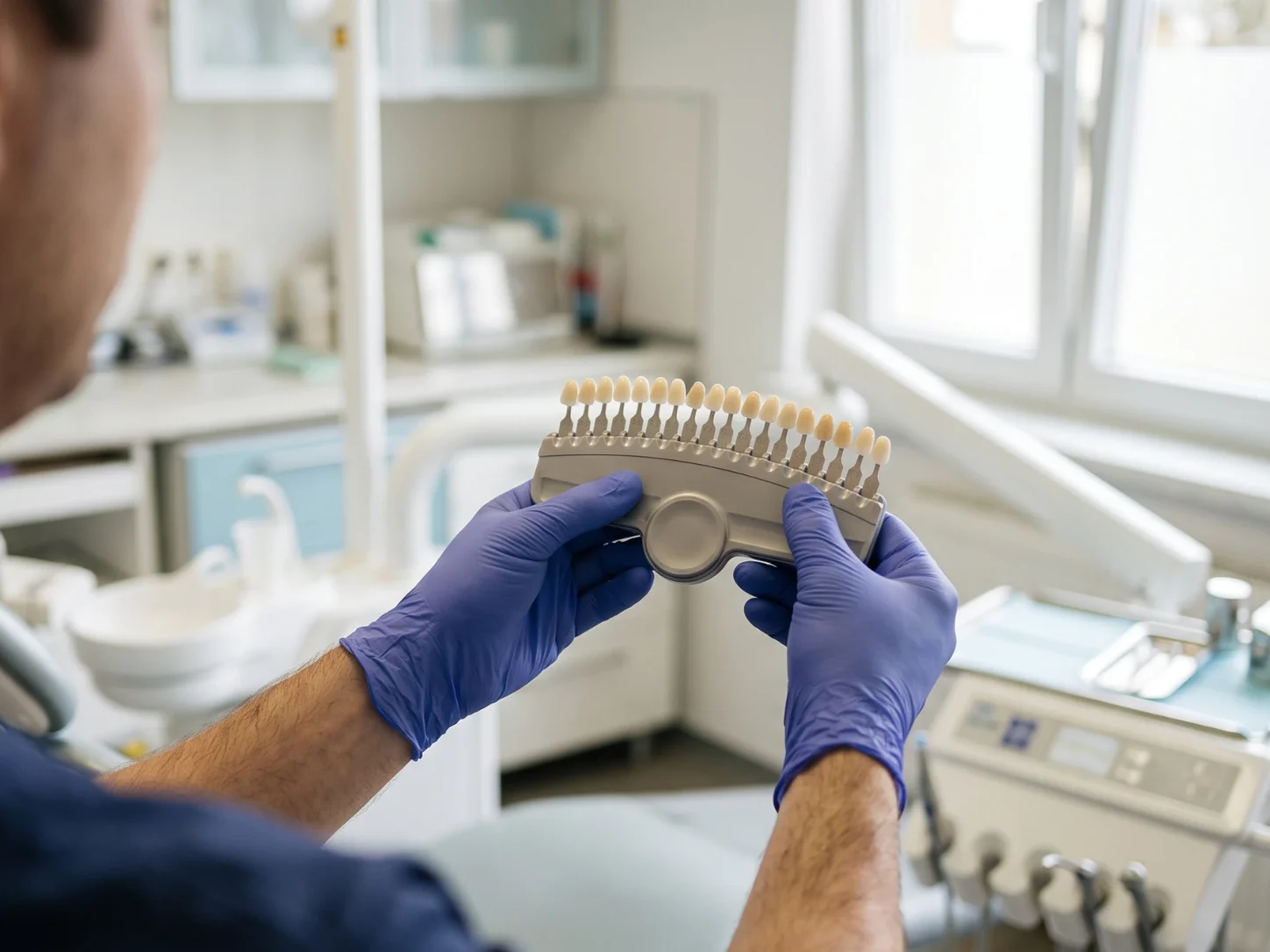
The shade is matched to the teeth around it. If you are also thinking about whitening, tell your dentist before the bonding is placed, because composite does not lighten with whitening gel and is normally matched after whitening.
Is bonding available on the NHS?
Bonding carried out purely to change the appearance of a tooth is cosmetic, so it is provided privately. Where a tooth is damaged or decayed, the restoration needed to keep it healthy may be available under the NHS, subject to availability and clinical need.
Is it better than a veneer?
Neither is better in every case. Bonding usually removes little or no tooth, costs less to start with and is easier to repair. A porcelain veneer, from £850, resists staining better and generally lasts longer, but involves preparing the tooth. Your dentist will go through both for your teeth.
Ask about composite bonding
Request an appointment and Dr Ali Kianian will look at the tooth, tell you whether bonding is the right answer or whether something else would last longer, and confirm the cost before you decide. There is no obligation to go ahead.